11 May 2026
Thrust bars versus noise on the ASX
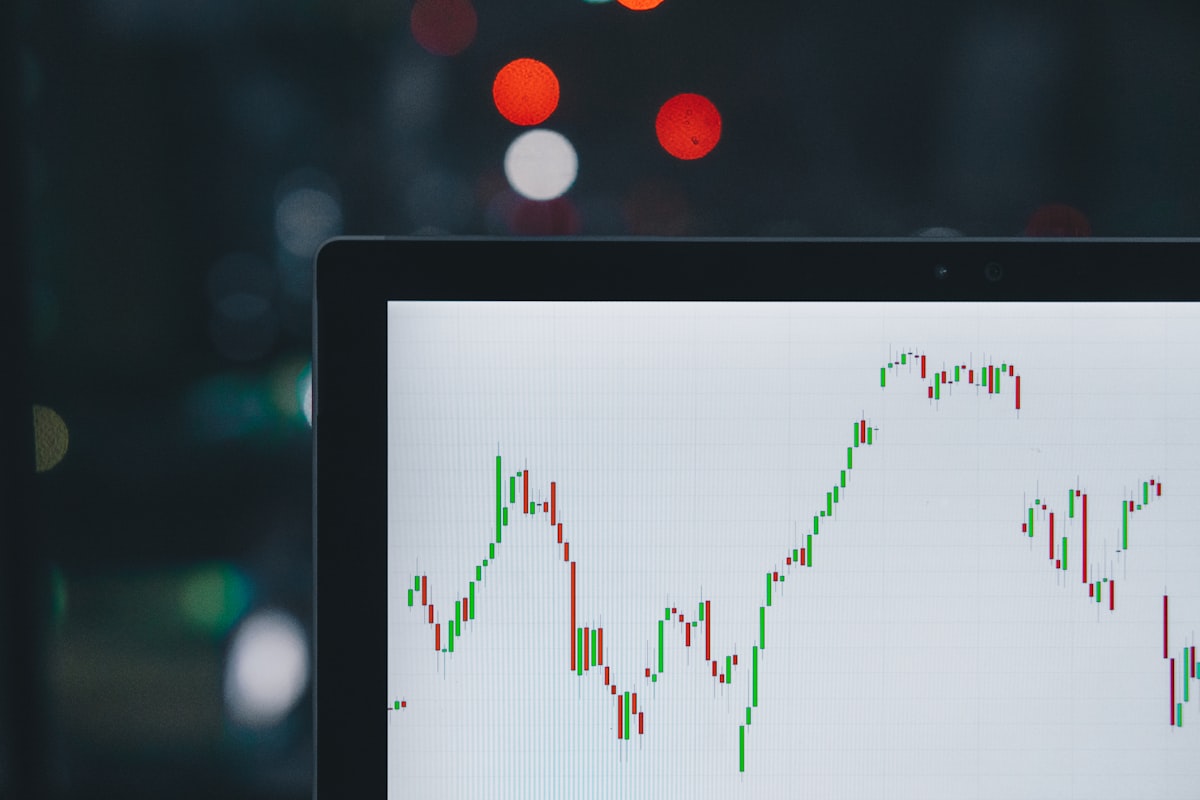
A thrust bar earns its name when range expands, closes near the extreme, and volume rises with the move. On many ASX names, that combination appears a few times a week; treating every wide candle as a signal floods your notebook with false starts.
Start by measuring the prior ten bars’ average true range. A candidate thrust should clear that average by a clear margin, not a hair. Then check whether the close sits in the outer quarter of the bar. Mid-bar closes after a long wick often mark absorption, not continuation.
Volume confirmation matters more on quieter mid-caps than on the heavyweights. If participation does not rise with the thrust, wait for a follow-through bar before you mark a momentum signal. That pause alone removes a large share of stop-hunting spikes.
In class we print the same sequence without indicators first. Students who mark by eye for a fortnight before adding oscillators tend to trust their filters more when the screen gets busy.